
+86-19357103769
Author: Site Editor Publish Time: 2026-04-02 Origin: Site


In industrial steam systems, steam valves are essential components for ensuring safe and stable operation. Whether in power generation, petrochemical processing, food production, or pharmaceutical manufacturing, steam serves as an efficient heat carrier, and its transmission and control rely heavily on various types of valves. This article provides a systematic and professional overview of the working principles, classifications, and application characteristics of steam valves to help readers better understand their technical fundamentals and selection logic.

Steam valves refer to valves specifically designed to control the flow of steam media. They are mainly used in steam transmission, distribution, and heat utilization systems. Due to the characteristics of steam—such as high temperature, high pressure, and the tendency to condense—steam valves must meet higher requirements in terms of sealing performance, temperature resistance, and structural reliability.
Compared with general-purpose valves, steam valves must consider factors such as thermal expansion, condensate impact (commonly known as water hammer), and material fatigue resistance to ensure long-term stable operation.
Steam valves perform multiple functions within a system, including on/off control, flow regulation, pressure control, and safety protection. For example, in steam pipelines, globe valves are used for isolation, control valves regulate steam flow, and safety valves prevent overpressure conditions.
In addition, steam systems commonly include steam traps, which automatically discharge condensate and non-condensable gases, thereby improving heat transfer efficiency and reducing equipment wear.
Most steam valves (such as globe valves and gate valves) operate through mechanical mechanisms to achieve opening and closing functions. A handwheel or actuator drives the valve stem, causing the valve disc to move and either contact or separate from the valve seat, thus controlling the flow of steam.
This working method is simple and reliable, making it suitable for applications requiring clear on/off control. However, in high-temperature steam environments, attention must be paid to wear on the stem and sealing surfaces.
Some steam valves (such as control valves and safety valves) rely on pressure variations to achieve automatic regulation or protection. For instance, a control valve adjusts the valve plug position based on control signals to regulate steam flow, while a safety valve opens automatically when pressure exceeds a preset limit.
These valves are typically integrated with automated control systems, enabling dynamic regulation and system protection, which are essential in modern industrial processes.
Certain steam valves (such as steam traps) operate based on the differences in temperature, density, or phase change between steam and condensate. For example, thermostatic steam traps control valve opening and closing based on temperature changes, while mechanical steam traps discharge condensate according to liquid level variations.
By utilizing the physical properties of steam, these valves can automatically remove condensate and improve system energy efficiency.
Based on their functions, steam valves can be categorized into the following types:
Shut-off valves: Used to start or stop steam flow, such as globe valves and gate valves, with emphasis on sealing performance.
Control valves: Used to regulate steam flow or pressure, focusing on precision and stability.
Safety valves: Designed to prevent system overpressure.
Steam traps: Used to remove condensate and improve system efficiency.
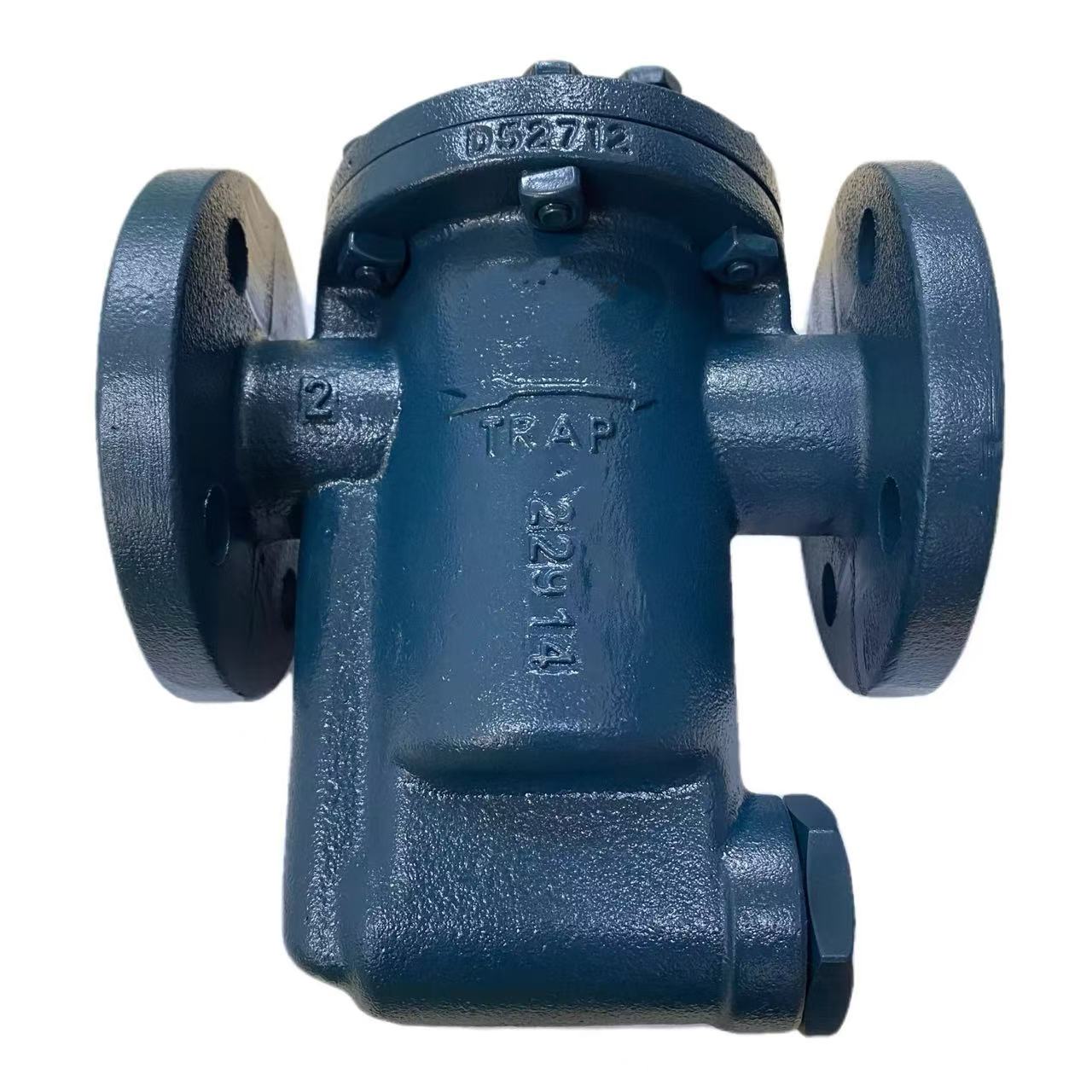
Each type serves a distinct role, and they are often used together to form a complete steam control system.
Steam valves can be classified as manual, electric, or pneumatic based on their actuation methods.
Manual valves are simple and cost-effective, suitable for low-frequency operations. Electric valves are ideal for remote control systems and offer a high level of automation. Pneumatic valves provide fast response and are suitable for processes requiring quick adjustments.
With the advancement of industrial automation, automated actuation methods are increasingly common, improving both efficiency and safety.
From a structural perspective, steam valves include globe valves, gate valves, ball valves, and butterfly valves.
Globe valves are suitable for high-temperature and high-pressure steam systems due to their excellent sealing performance. Gate valves offer low flow resistance and are ideal for large-diameter pipelines. Ball valves provide quick operation but require special materials for high-temperature steam applications. Butterfly valves have a compact structure and are suitable for installations with limited space.
Each structural type corresponds to different operational requirements, and selection should be based on specific working conditions.
In thermal power plants, steam systems are a core component. Steam valves are widely used in boilers, steam turbines, and transmission pipelines to control steam flow, pressure, and distribution.
For example, high-temperature and high-pressure globe valves and safety valves are typically used in main steam pipelines to ensure safe and reliable operation.
In petrochemical plants, steam is commonly used for heating, reaction processes, and cleaning. Steam valves control heat input and process conditions, which directly affect product quality.
Control valves are particularly important in these applications, as they enable precise regulation and improve production efficiency.
In the food and pharmaceutical industries, steam is mainly used for sterilization, disinfection, and heating processes. Therefore, valves must meet strict hygiene and sealing requirements.
Stainless steel steam valves are commonly used and must comply with relevant sanitary standards to prevent product contamination.
When selecting steam valves, key parameters such as working pressure, temperature, flow rate, and medium characteristics must be considered. High-temperature and high-pressure environments require valves with excellent heat resistance and structural strength.
Additionally, the potential for water hammer should be evaluated to select valves with adequate impact resistance.
Steam valves are typically made from carbon steel, stainless steel, or alloy steel. Different materials are suitable for different temperature ranges and corrosive environments.
For example, alloy steel valves are often used in high-temperature steam systems to improve thermal fatigue resistance and service life.
During long-term operation, steam valves are subject to high temperatures, erosion, and corrosion, making regular maintenance essential.
This includes checking sealing performance, lubricating valve stems, and testing safety valves. Proper maintenance can significantly extend service life and reduce the risk of failure.
As key components in steam systems, steam valves operate based on mechanical motion, pressure regulation, and thermodynamic principles. Through proper classification and scientific selection, system efficiency and safety can be significantly improved.
In practical applications, selecting the right valve type according to specific operating conditions and implementing effective maintenance strategies are crucial for ensuring long-term, stable, and efficient operation of steam systems.For more information about steam valves,you can visit our website:www.fuchen-steam.com.Or contact us by +86-19357103769 and Fuchen@fuchensteam.com directly.


