Valve Construction & Core Mechanism
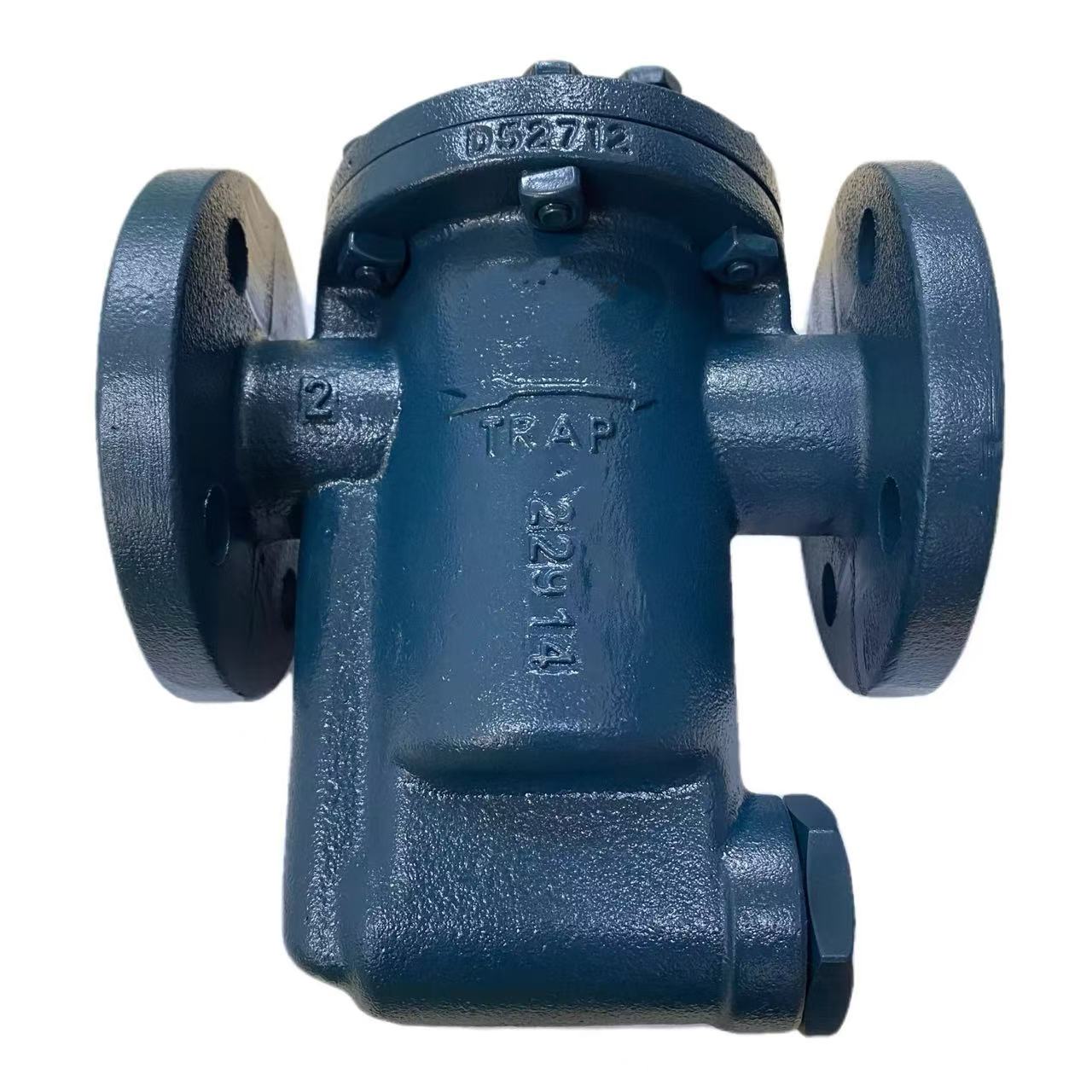
This valve features a robust ductile iron body with BSP and an integral flange. Its core component is a free-floating stainless steel mechanism located entirely at the top of the trap. This design ensures a continuous vent for air and non-condensable gases at steam temperature. A drain hole on the trap's crown prevents liquid accumulation within the cap.
1. Enhanced Opening Force & Durability
A unique leverage system amplifies the force generated by the inverted bucket, enabling it to overcome system pressure and open the valve effectively. As a free-floating assembly with no fixed pivots, the mechanism eliminates mechanical wear and friction, ensuring long-term reliability.
2. Self-Cleaning Orifice & Unobstructed Flow
By positioning the mechanism at the top, the discharge orifice remains free from dirt and sediment buildup. Contaminants are kept in suspension until they are purged from the system. When the bucket sinks, the resulting full differential pressure surge forces the valve off its seat, providing a powerful self-cleaning action that clears any debris.
3. Efficient Sealing & Continuous Venting
The discharge orifice is fully submerged under a water seal, which effectively prevents live steam loss. Furthermore, a dedicated vent hole in the bucket allows for continuous, automatic venting of air and carbon dioxide even while operating at steam temperature.
4. Reliable Performance & Water Hammer Resistance
Inverted bucket traps provide continuous condensate drainage with intermittent discharge cycles, preventing condensate backup. Their inherent design makes them exceptionally resistant to damaging water hammer effects.
Application Scenarios

Hotels& Buildings
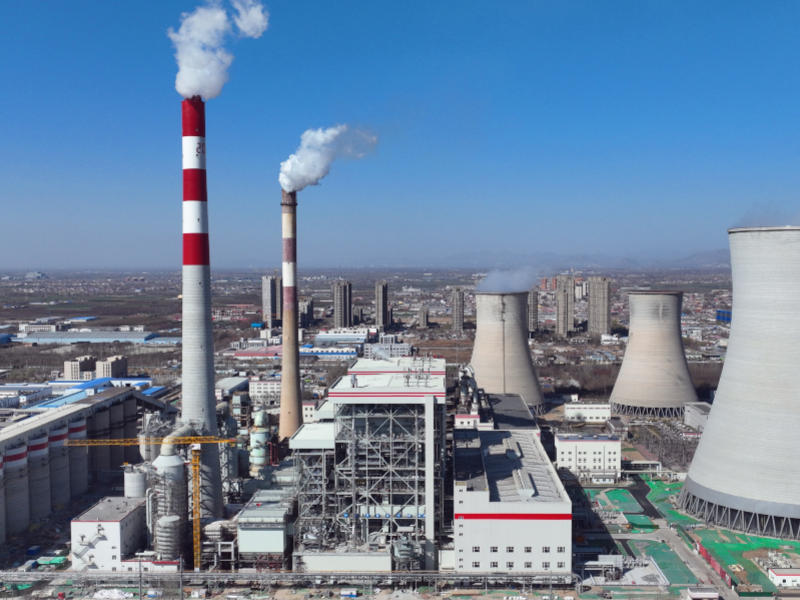
Electric Power & Heating Station
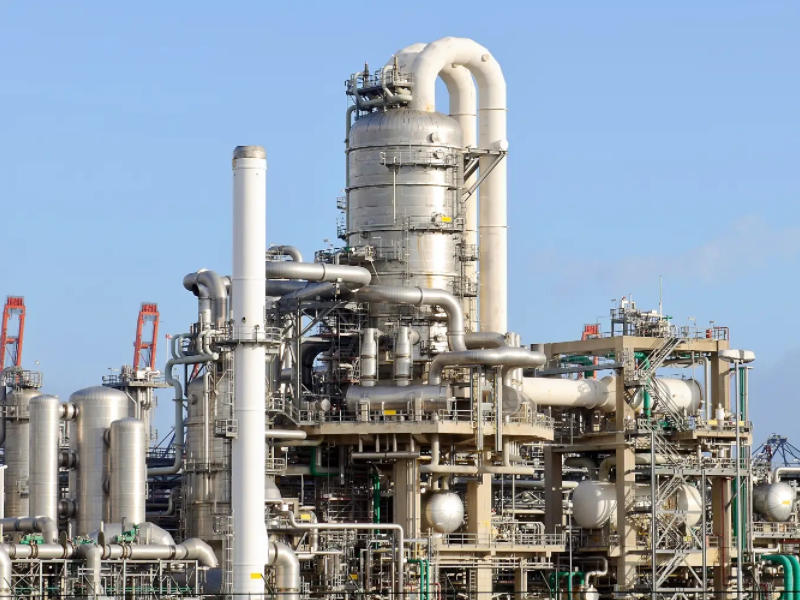
Petroleum and Chemical
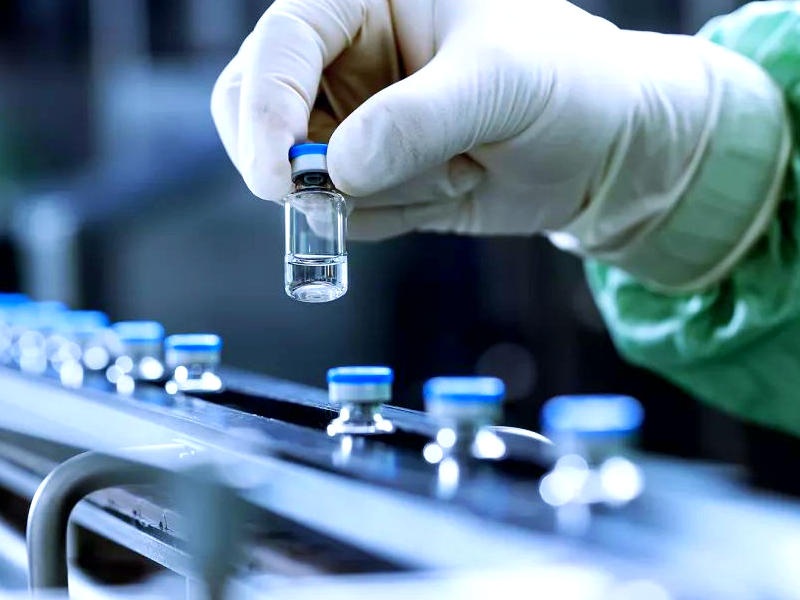
Bio-Tech & Pharmaceuticals
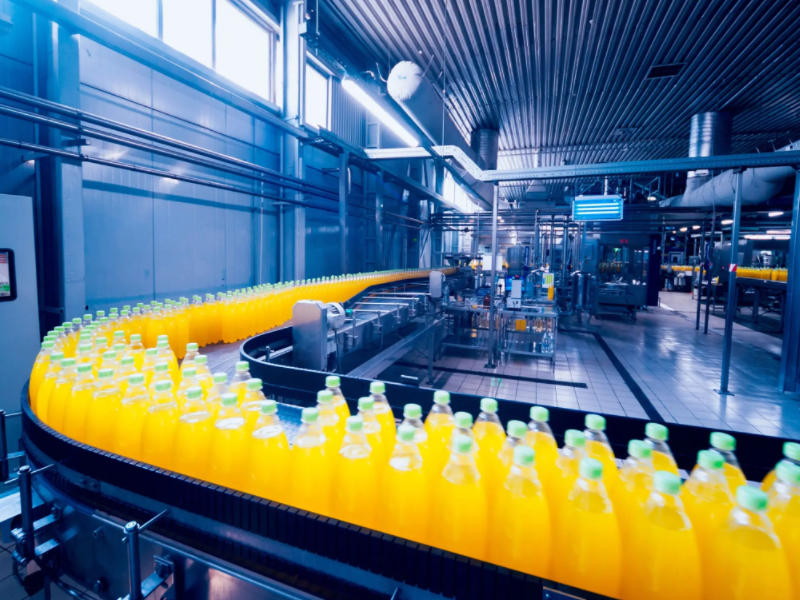
Food and Beverages
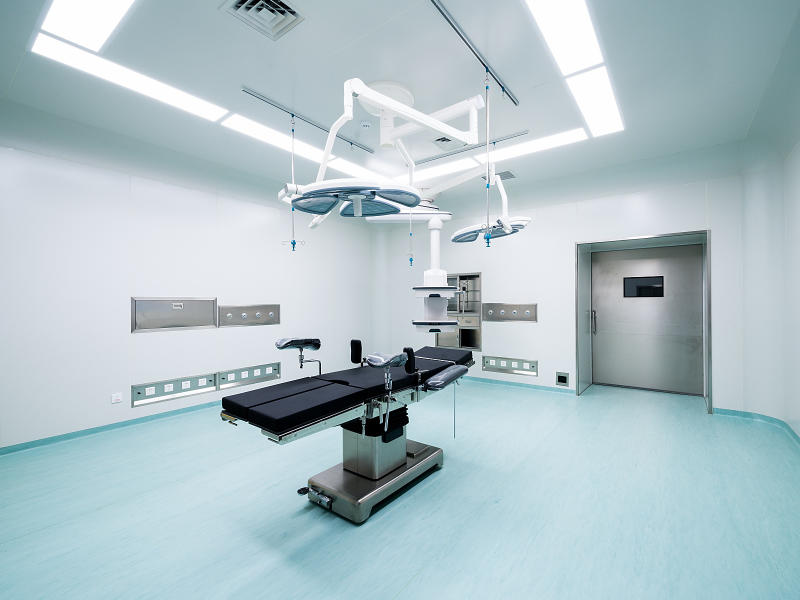
Medical & Health
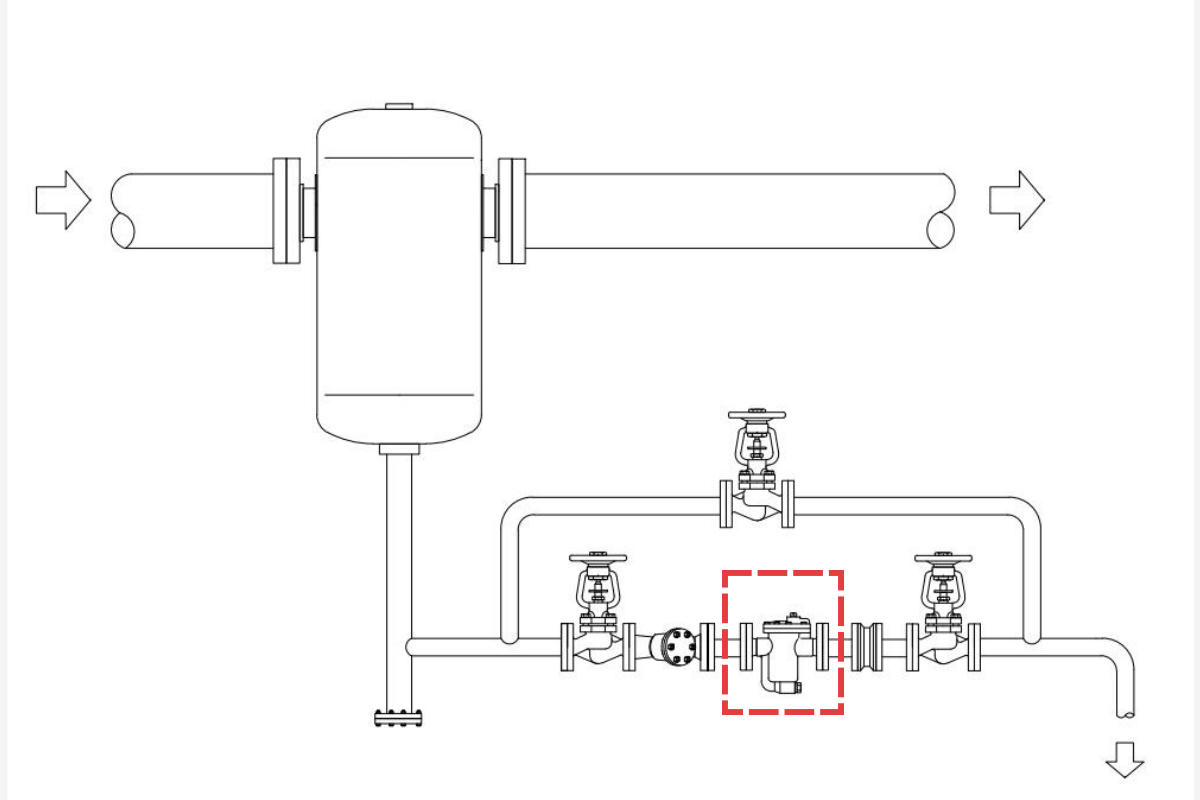
Inverted Bucket Steam Trap System Configuration Diagram